

Low-Impact Training
Indoor Swimming Lanes — Low Impact, Real Results
Why swimming is the smartest choice for your joints, how to nail the fundamentals, and the realistic timeline for seeing actual improvements in your fitness.
Why Swimming Works When Other Sports Don't
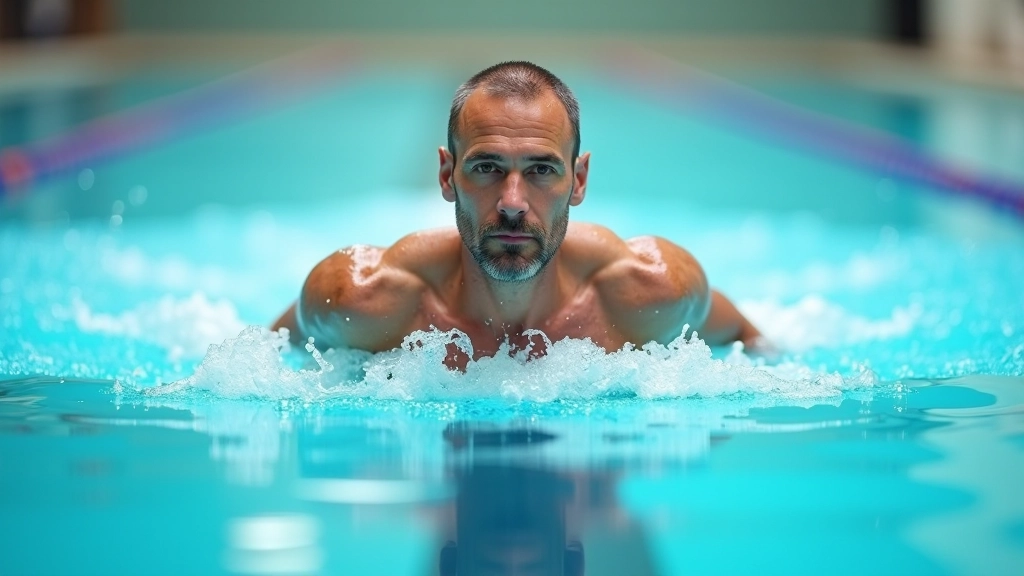
Here's the thing about your joints after 40 — they've earned respect. Years of running, lifting, or just living takes its toll. Swimming's different though. The water supports your body weight completely, which means zero impact on knees, hips, or shoulders. You're getting a serious cardiovascular workout without the wear and tear.
We've trained hundreds of adults in their 40s, 50s, and 60s. The pattern's consistent. People come in skeptical — "Swimming won't be intense enough." Three weeks later they're breathing harder than they expected and noticing real changes in their endurance. The resistance of water does something that treadmills can't replicate.
90%
Less stress on joints than land-based cardio
45 min
Typical lane session for building endurance
6-8 weeks
Before noticeable improvements in stamina
The Four Foundations You'll Master First
Everyone starts somewhere. We don't throw you into intense interval training on day one. Instead, we build on four core skills that form the foundation of everything you'll do in the water.
1
Proper breathing rhythm
Bilateral breathing (alternating sides) and controlled exhale patterns. Most beginners hold their breath — we fix that immediately because it kills your endurance.
2
Body position and alignment
Head position, hip height, and streamlined posture. A lot of people fight the water instead of working with it. We show you the difference.
3
Stroke technique (freestyle focus)
Catch, pull, and recovery phases. Efficient strokes mean you're not exhausted after two laps. This takes practice but it's learnable.
4
Pacing and distance management
Building endurance gradually. We start with short distances, add volume progressively, and track your improvements so you see actual progress.
Building a Routine That Actually Fits Your Life
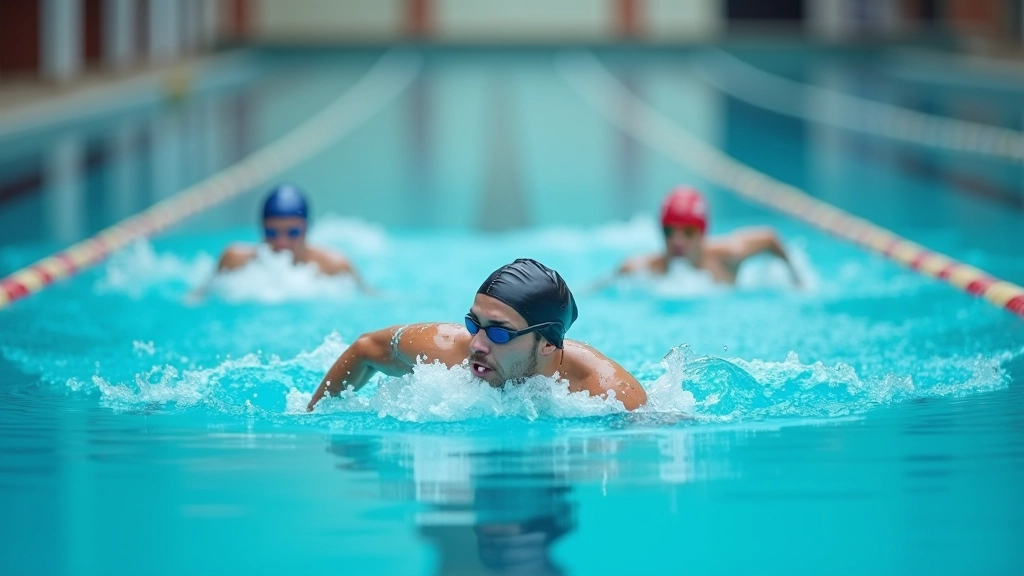
The biggest mistake people make is overcommitting. You don't need to swim five days a week to see results. In fact, that's a fast track to burnout. We recommend starting with two sessions per week, 45 minutes each, with at least two days between sessions for recovery.
Here's what that looks like. Monday morning you do a technique-focused session with shorter distances but more attention to form. Thursday evening you tackle a longer continuous swim to build endurance. That's it. You're getting the stimulus your body needs without disrupting your work schedule or family time.
"Wasn't sure I'd stick with it honestly. But two sessions a week feels manageable and I'm already swimming a full mile without stopping. That's progress I can actually see."
— David, 52
Most people hit a stride around week six. Your body's adapted to the workload, your breathing's more efficient, and you're not wrecked after every session. That's when you can think about adding intensity — faster intervals, longer distances, or mixing stroke styles.
What You'll Actually Feel and See
Let's be honest about timelines. You won't transform in four weeks. But you will notice things. After two weeks of consistent sessions, your breathing feels easier. You're not gasping between laps. That's your cardiovascular system adapting. After four weeks, you'll swim a full lap without stopping when you couldn't before. Small wins but real ones.
By week eight, most people report improved sleep quality and better recovery from other activities. Your joints feel better. Walking up stairs doesn't leave you winded. And if you've been dealing with back pain, the water's buoyancy often provides relief you won't get from land-based exercise.
Weeks 1-3
Breathing rhythm improves, less winded between laps, body adapting to water resistance
Weeks 4-6
Noticeable endurance gains, longer continuous swims, form becoming more natural
Weeks 7-12
Significant stamina improvements, better joint health, measurable distance increases


Recovery and Staying Injury-Free
Swimming's reputation as low-impact is earned, but you can still get injured if you ignore basic recovery principles. The main culprit? Doing too much too soon. We've seen people jump from zero laps to eight laps in a week and then wonder why their shoulders hurt.
The smarter approach is progressive overload. You add roughly ten percent more volume or intensity each week. So if you're doing four laps this week, aim for four and a half next week. That sounds gradual but it's how your body actually adapts without breaking down.
Between sessions, you're not doing nothing. Light stretching — especially shoulders, hip flexors, and hamstrings — keeps you mobile. Most people spend five minutes post-swim on this. It's the difference between being sore for three days versus one. Plus, you'll warm up faster next session because your body's ready.
Getting Started is Simpler Than You Think
You don't need to be an athlete to benefit from swimming. You don't need special equipment or years of experience. You need a lane, a coach who knows how to teach adults, and commitment to two sessions a week. That's genuinely it. Your body will handle the rest.
The best time to start was five years ago. The second-best time is right now. Come for the low-impact workout. Stay because you're stronger, your joints feel better, and you've got a routine that actually works with your schedule instead of against it.
Disclaimer
This article is informational and educational in nature. The information provided about swimming techniques, training schedules, and fitness timelines is general guidance based on common training practices. Individual results vary based on fitness level, age, health status, and consistency. Before starting any new exercise program, especially if you have existing health concerns, joint issues, or medical conditions, consult with your doctor or a qualified healthcare professional. Swimming instructors and trainers at our facility are trained professionals, but they're not medical doctors. Always listen to your body and stop if you experience pain.
Related Articles