Monthly Trainer Challenge Marathons — Staying Motivated Year-Round
How structured monthly challenges keep you engaged, build community, and turn fitness into something you actually look forward to each month.

Why Monthly Challenges Actually Work
You know that feeling in January when everyone's fired up about their resolutions? That energy fades fast — usually by mid-February. We get it. But here's the thing: monthly challenges are different. They're short enough to feel achievable, yet long enough to create real change. You're not signing up for a year-long commitment that feels overwhelming. Instead, you've got 30 days to focus on something specific.
That's exactly why trainer-led monthly marathons have become game-changers for people in your 40s, 50s, and 60s. Each month brings a fresh goal — whether it's building strength, improving endurance, perfecting technique, or just showing up consistently. The community aspect keeps you honest. Your workout buddies are counting on you. Your trainer's tracking your progress. And honestly? Friendly competition makes fitness more fun than doing solo workouts ever could be.

How These Marathons Are Structured
A good monthly challenge isn't random — it's built on a framework that actually works. Most programs run challenges like this: Week 1 focuses on learning proper form and establishing baseline fitness. You're not going all-out; you're learning what your body can do right now. Week 2 is where you start pushing slightly harder. The weights get heavier, the reps increase, or the pace picks up. You're building on what you learned in week one.
By week three, you've got momentum. Your body's adapted. Your confidence is up. This is when people typically see the biggest shifts — strength gains, endurance improvements, technique refinements. Week four is about maintaining what you've built and reflecting on your progress. Then you get a brief recovery week, celebrate your wins, and the next challenge begins.
The beauty? It's flexible. Someone dealing with a shoulder issue can modify the challenge. A beginner can scale it differently than someone who's been training for years. Everyone's working toward the same monthly goal, but the path there is yours to walk.

Popular Challenge Types
Different challenges appeal to different people. Here's what you'll typically see rotating through a year:
Strength Marathons
Build measurable strength over 30 days. You track how much weight you're lifting in core movements like squats, deadlifts, or bench press. Progressive overload is the name of the game here. Most people see 10-15% strength gains by month's end.
Endurance Challenges
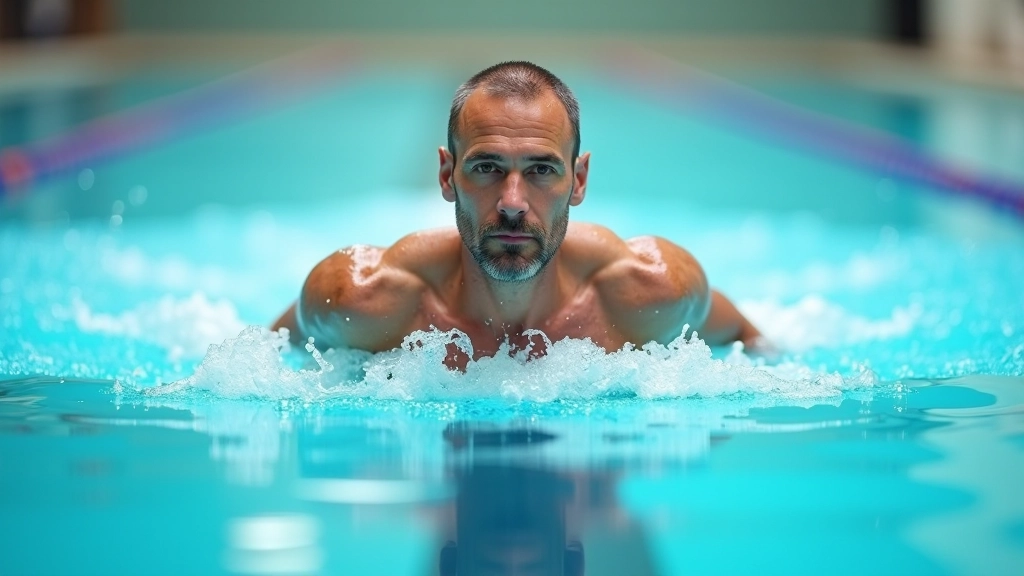
Perfect for swimmers and cardio enthusiasts. You're working on distance, duration, or consistency. Swim 20 km total across the month, or complete 15 consecutive days of cardio workouts. These build stamina without requiring crazy intensity every single day.
Consistency Marathons
Show up 20 times in 30 days. That's it. Three sessions per week minimum. This removes the "which program is best?" paralysis and focuses on building the habit. You'd be surprised how powerful consistency becomes once you see the streak.
CrossFit Skill Challenges
Master one specific skill: double-unders, pull-ups, handstand holds, or rope climbs. You track your personal best weekly. Beginners work toward their first rep. Experienced athletes chase higher reps or better form.
Performance Marathons
Complete a specific workout structure multiple times and track how your times improve. Think: complete the same benchmark workout weekly and watch your performance increase each week. That progression is addictive.
Technical Mastery
Focus on one technique — swimming stroke mechanics, Olympic lifting form, or proper deadlift positioning. Coaches provide detailed feedback each session. Video analysis is common. It's not about how much you lift, but how well you do it.
Why Your Body (and Brain) Love This Approach
Here's what happens when you commit to a structured monthly challenge. Your nervous system gets a clear goal. Instead of wandering into the gym thinking "I'll do whatever feels good today," you've got direction. That clarity reduces decision fatigue. You know exactly what you're working toward.

What This Looks Like in Practice
March's Strength Marathon
Let's say March's challenge is "Build Your Bench Press." Here's how it plays out:
Baseline Testing. You work with your trainer to find your current one-rep max bench press. You're not going all-out; you're finding where you actually are. Someone might discover they can press 155 lbs. Someone else maxes at 95 lbs. That's the starting point.
Progressive Loading. You're doing 3-4 bench press sessions. Each session, you add a bit more weight than last time. Techniques like drop sets, paused reps, and board presses are introduced. Your muscles start adapting.
The Push. This week's weights are heavier than anything you've done before. It's challenging but doable. Your nervous system is adapting. Your stabilizer muscles are getting stronger. You're feeling genuinely capable.
Final Test & Celebration. You attempt a new one-rep max. Most people hit 5-10 lbs more than they started with. That person who pressed 155? They're now at 162 lbs. That's real progress. Then the group gathers, celebrates, and picks April's challenge.

Building a Year-Long Rhythm
Strength Foundation
Build baseline strength across major lifts. New Year energy helps here.
Endurance Push
Swimming marathons, cardio challenges, or distance goals. Weather's improving.
Skill Mastery
CrossFit skills, technique refinement, or mobility work. Detail-focused.
Consistency & Habit
Show-up challenges. Build the rhythm that lasts. Summer vacations make this tricky but doable.
Performance Testing
Benchmark workouts, time trials, or integrated challenges. Fall brings renewed focus.
Community & Celebration
Group challenges, team competitions, year-end celebrations. End strong, reflect, reset.
That's the rhythm. You're not grinding the same thing for 12 months. You're cycling through different focuses. Your body adapts to variety. Your mind stays engaged. You show up because next month's challenge sounds interesting, not because you're obligated to.
"I never thought I'd still be training consistently at 56. But these monthly challenges make it feel fresh. January's strength focus is totally different from June's swimming marathon. I'm not bored. I'm not burnt out. I'm actually excited to see what next month brings."
— David, 56
Getting Started With Your First Challenge
You don't need to be a certain fitness level. You don't need to have trained before. Here's how to jump in:
Pick a Challenge Type
Strength, endurance, consistency, skill — what sounds interesting? Don't overthink it. Your trainer can help if you're unsure. Many people start with consistency marathons because the goal is simple: show up 20 times.
Establish Your Baseline
Week one is testing. You're finding out where you actually are right now. No judgment. No comparison to others. Just honest assessment. That baseline becomes your starting point for improvement.
Commit to the Process
Show up for your scheduled sessions. Track your progress — whether that's weight lifted, miles swum, or workouts completed. Be honest about what you did. Your trainer uses this data to guide your training.
Celebrate Your Results
At the end of the month, you test again or review your progress. You've improved. Maybe it's 5 more pounds on the bar, maybe it's five more completed workouts, maybe it's better form on a movement. Whatever it is — that's a win worth celebrating.
The Real Benefit: Staying Motivated for Years
Here's what we've seen work: people who stick with monthly challenges don't burn out. They don't get bored. They don't spend January through November dreading the gym and April through October wondering why they even bother. Instead, they build a rhythm. Some months they're pushing hard. Some months they're focusing on consistency. Some months they're learning new skills. The variety keeps them engaged.
By your 50s and 60s, you've done enough things in life to know what works for you. Monthly trainer challenges work because they're structured enough to provide direction, flexible enough to adapt to your needs, and community-driven enough to keep you connected. You're not doing this alone in your basement. You're part of a group. That matters.
The motivation doesn't come from willpower. It comes from having clear monthly goals, seeing measurable progress, celebrating with people who get it, and knowing that next month's challenge will be different. That's how you stay motivated year-round. That's how you're still training strong at 65 instead of hanging it up at 45.
Ready to Start?
Talk with a trainer about which monthly challenge makes sense for you right now. They'll help you pick one that fits your goals, your schedule, and your current fitness level.
Learn More About ChallengesImportant Disclaimer
This article is for educational and informational purposes only. It's not medical advice, and it's not a substitute for working with a qualified fitness professional or your healthcare provider. Before starting any new fitness challenge or training program — especially if you have existing health conditions, injuries, or concerns — consult with your doctor or a certified fitness trainer. Everyone's body is different. What works for one person might need adjustment for another. That's why working with an experienced trainer is so valuable. They'll modify exercises, adjust intensity, and keep you safe while you're pushing toward your goals.